OEM / ODM development

A custom process with visible decision points.

Good custom furniture is not simply ‘made to order’. It is developed against an agreed use case, specification, sample standard and delivery plan.

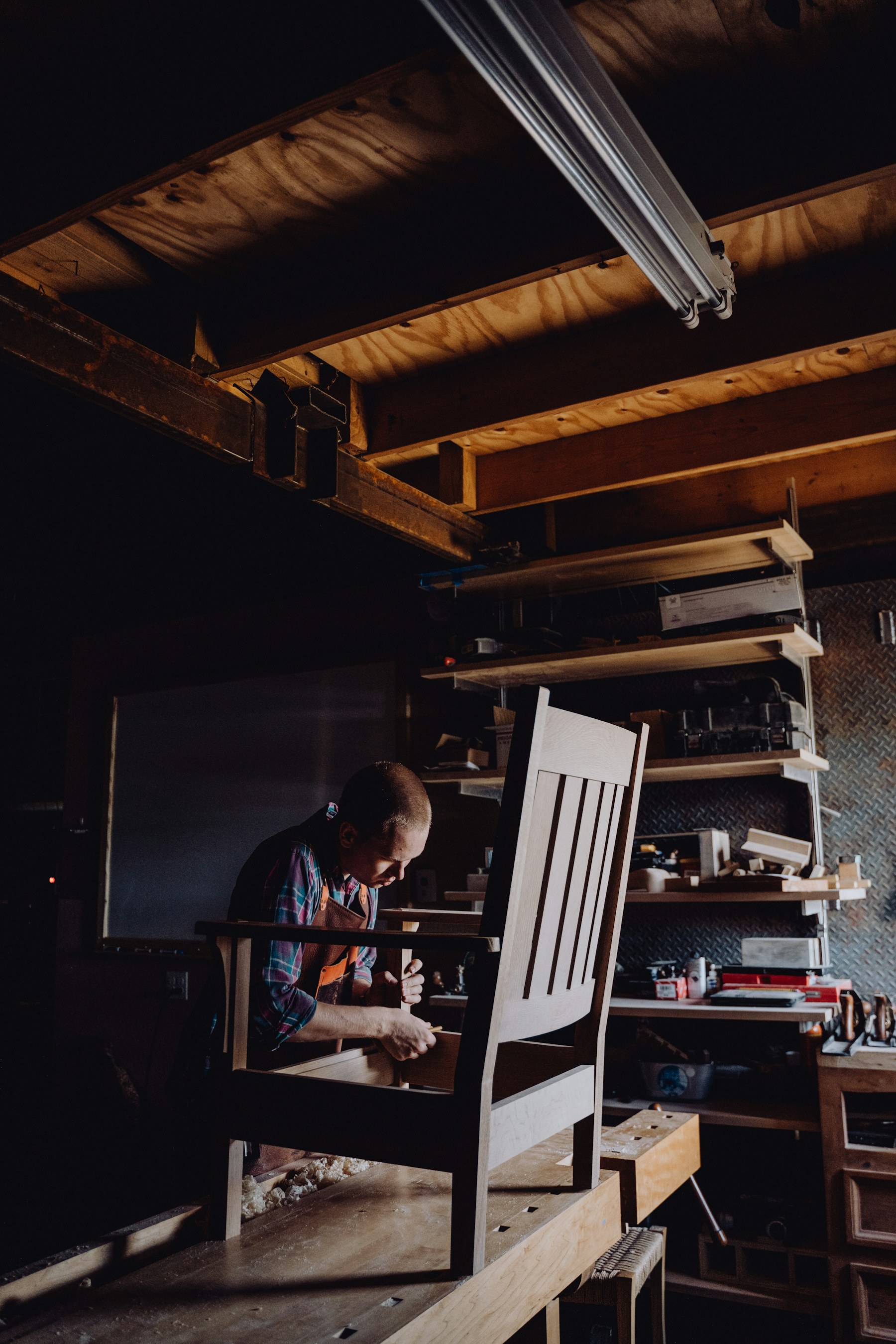
Craftsperson shaping a chair in a workshopREFERENCE IMAGE · VERIFIED FACTORY PHOTOGRAPHY PENDING
01

Project brief

Room type, furniture schedule, references, drawings, quantities, destination market, target cost and timing.

02

Feasibility & development

Review construction, materials, finishes, comfort, market requirements, packing and value-engineering options.

03

Quotation & sample plan

Confirm what is included, unresolved assumptions, sample fees, revision boundaries and indicative timing.

04

Sampling & approval

Evaluate appearance, dimensions, workmanship, stability, comfort, function and packaging; record the sealed standard.

05

Production control

Align approved records, incoming materials, in-process checks, finish consistency and pre-shipment inspection.

06

Packing & shipment

Confirm carton marks, hardware packs, instructions, loading data and required export documents.

Customisation scope

What can be explored.

Depending on feasibility and order scope, development may cover dimensions, upholstery, seat comfort, timber or metal details, finishes, hardware, coordinated colour palettes, packaging and installation information.

Final availability depends on confirmed materials, engineering review, supplier capability and the applicable requirements of the destination market.

Send a development brief

What to send

A stronger brief leads to a stronger first answer.

01 · ContextSpace, market and use
02 · SpecificationDrawings, materials and finishes
03 · CommercialQuantity, timing and target terms